I may earn a commission at no extra cost to you. #ad
Elite Performance Nutrition: A Free Guide to Fueling Savage Workouts
Jump to Section
You can train with the intensity of a beast, but if your nutrition is subpar, you are leaving gains on the table. Elite performance isn't just built in the gym; it is forged in the kitchen and refined through biological precision. To sustain "savage" workouts—those high-intensity, soul-crushing sessions that separate the elite from the average—you need a fueling strategy that matches your output.
The Foundations of Performance Nutrition
Performance nutrition differs significantly from standard "dieting." While weight loss diets focus on restriction, performance nutrition focuses on optimization. The goal is to provide your body with the substrate it needs to produce maximum force, maintain cognitive focus under fatigue, and repair tissue at an accelerated rate.
Without adequate fueling, you face the risk of central nervous system (CNS) fatigue, muscle wasting, and hormonal imbalances. A savage workout requires a savage appetite—but one directed toward the right nutrients at the right times.
The Big Three: Protein, Carbs, and Fats
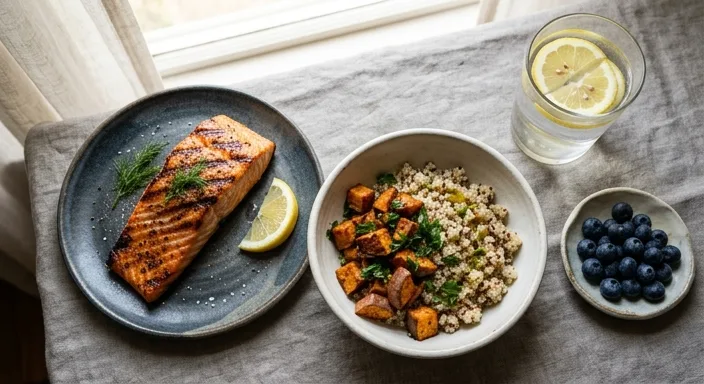
Protein: The Structural Component. Protein provides the amino acids necessary for muscle repair. For elite athletes, leucine is the "on switch" for muscle protein synthesis. Aim for high-quality sources like grass-fed beef, wild-caught fish, poultry, and fermented dairy.
Carbohydrates: The High-Octane Fuel. Carbs are stored in the muscles and liver as glycogen. During high-intensity training, your body prefers glycogen over fat because it can be broken down faster. If you deplete your glycogen, your intensity will "bonk" or "hit a wall."
Fats: The Hormonal Regulator. While not the primary fuel for a savage workout, healthy fats are essential for hormone production (like testosterone) and fat-soluble vitamin absorption. Focus on monounsaturated and omega-3 fatty acids from avocados, nuts, and extra virgin olive oil.
Pre-Workout: Priming the Engine
The 2-3 hours before you step into the gym are critical. Your goal here is to top off glycogen stores and ensure amino acids are circulating in your bloodstream. A meal consisting of slow-digesting carbohydrates (like oats or sweet potatoes) and a lean protein source is ideal.
As you get closer to the session (30-60 minutes out), shift to rapidly absorbing fuel. A piece of fruit or a specialized carb powder can provide an immediate glucose spike to keep your energy high from the very first set.
Intra-Workout: Maintaining Intensity
If your workouts exceed 75-90 minutes of high-intensity work, intra-workout nutrition becomes a game changer. Consuming highly branched cyclic dextrin (a fast-clearing carb) along with Essential Amino Acids (EAAs) can prevent muscle protein breakdown and keep your power output consistent through the end of the session.
Post-Workout: The Recovery Blueprint
The "anabolic window" isn't as narrow as 30 minutes, but it is a real physiological state. After a savage workout, your body is primed for nutrient uptake. This is the time for a high-glycemic carb (to spike insulin and shuttle nutrients) and a fast-acting protein (like whey isolate) to begin the repair process.
Don't neglect the follow-up whole food meal 1-2 hours later. This meal should be rich in micronutrients to combat the oxidative stress caused by intense training.
Hydration and Electrolyte Balance
Even 2% dehydration can lead to a significant drop in performance. However, drinking plain water isn't enough when you're sweating intensely. You need electrolytes—specifically Sodium, Potassium, and Magnesium—to maintain nerve signaling and muscle contractions.
A "savage" hydration strategy includes 500-700ml of water in the hour before training and consistent sipping with added electrolytes during the session. If you finish a workout and you've lost more than 2% of your body weight, you haven't hydrated effectively.
Strategic Supplementation
Supplements are the 5% that helps the other 95%. For elite performance, focus on the "gold standard" ingredients:
- Creatine Monohydrate: For ATP production and explosive power.
- Beta-Alanine: To buffer lactic acid and increase muscular endurance.
- Caffeine: For central nervous system arousal and focus.
- Citrulline Malate: To improve blood flow and nutrient delivery (the "pump").
Frequently Asked Questions
While possible for low-intensity aerobic work, high-intensity anaerobic performance usually suffers on keto because the body cannot convert fat to energy fast enough to match the demand of explosive movements.
Monitor your performance. If your strength is plateauing, your recovery is slow, or you are constantly sore, you likely need to increase your caloric intake, specifically from carbohydrates.
No, but they are convenient. Whole food is always preferred, but the rapid digestion of a whey isolate post-workout can be beneficial for jump-starting recovery.